Chronic Kidney Disease (CKD) Stage 3A is a moderate stage of kidney disease in which the kidneys are no longer filtering waste and excess fluid from the blood as efficiently as they should. While many people with chronic kidney disease stage 3a may not experience noticeable symptoms, this stage is an important warning sign that kidney function has declined and requires ongoing medical attention to help slow further damage.
Receiving a diagnosis of chronic kidney disease stage 3A can feel overwhelming, but it does not mean kidney failure is inevitable. With early diagnosis, proper treatment, healthy lifestyle changes, and regular monitoring, many individuals continue to live active and fulfilling lives while managing the condition.
This comprehensive guide explains everything you need to know about chronic kidney disease stage 3A, including its causes, symptoms, diagnosis, treatment options, dietary recommendations, possible complications, and strategies to protect your kidney health.
What Is Chronic Kidney Disease Stage 3A?
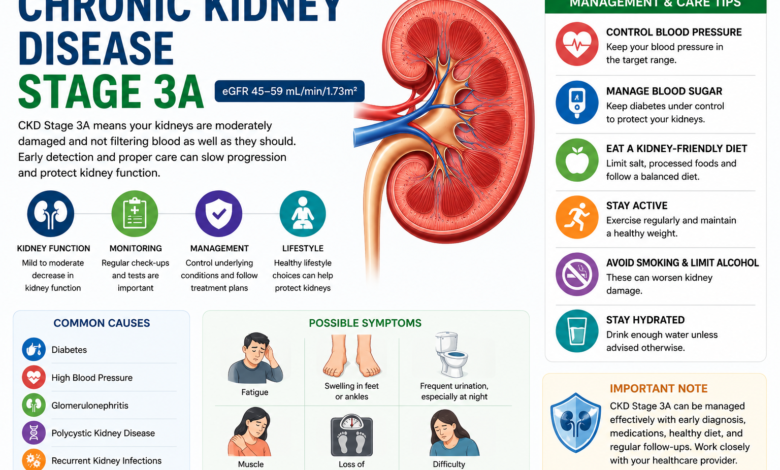
Chronic kidney disease is a long-term condition in which the kidneys gradually lose their ability to filter waste products from the blood. Healthcare providers classify CKD into five stages based primarily on the estimated glomerular filtration rate (eGFR), which measures how well the kidneys are functioning.
An eGFR in this range indicates a mild to moderate reduction in kidney function. Although the kidneys are still working, they are less efficient than healthy kidneys and require ongoing monitoring and treatment to help prevent progression.
Understanding Kidney Function
Healthy kidneys perform several essential functions, including:
- Removing waste products from the bloodstream
- Balancing fluids in the body
- Regulating blood pressure
- Maintaining healthy electrolyte levels
- Producing hormones that support red blood cell production
- Helping maintain strong bones by regulating vitamin D and calcium
When kidney function declines, these processes become less effective, allowing waste products and fluids to accumulate in the body over time.
Common Causes of Chronic Kidney Disease Stage 3A
Several medical conditions can gradually damage the kidneys.
Diabetes
Diabetes is one of the leading causes of chronic kidney disease. Persistently high blood sugar levels can damage the tiny blood vessels responsible for filtering waste.
High Blood Pressure
Uncontrolled hypertension places extra strain on the kidneys and can gradually reduce their filtering ability.
Glomerulonephritis
This group of diseases causes inflammation within the kidney’s filtering units, leading to long-term damage if left untreated.
Polycystic Kidney Disease
This inherited disorder causes fluid-filled cysts to develop inside the kidneys, gradually affecting their function.
Recurrent Kidney Infections
Repeated infections may lead to scarring that permanently reduces kidney function.
Other Risk Factors
Additional factors that may increase the risk include:
- Heart disease
- Smoking
- Obesity
- Family history of kidney disease
- Older age
- Autoimmune disorders
Symptoms of Chronic Kidney Disease Stage 3A
Many people experience few or no symptoms during Stage 3A. However, as kidney function declines, some individuals may notice:
- Fatigue
- Weakness
- Swelling in the ankles or feet
- Frequent urination, especially at night
- Dry or itchy skin
- Muscle cramps
- Mild back discomfort
- Difficulty concentrating
- High blood pressure
Because symptoms are often subtle, routine blood and urine tests play an important role in early detection.
How Is Stage 3A CKD Diagnosed?
Healthcare providers use several tests to evaluate kidney health.
Blood Tests
Blood tests measure creatinine levels, which help estimate kidney function through the eGFR.
Urine Tests
Urine testing checks for:
- Protein (albumin)
- Blood
- Signs of kidney damage
Blood Pressure Monitoring
High blood pressure both contributes to and results from kidney disease, making regular monitoring essential.
Imaging Studies
Ultrasound or other imaging tests may be used to examine kidney size, structure, and possible abnormalities.
Treatment Options
Although chronic kidney disease cannot usually be reversed, treatment focuses on slowing disease progression and reducing complications.
Managing Blood Pressure
Keeping blood pressure within the target range is one of the most effective ways to protect kidney function.
Controlling Blood Sugar
People with diabetes should work closely with their healthcare provider to maintain healthy glucose levels.
Medications
Depending on individual needs, treatment may include medications to:
- Control blood pressure
- Reduce protein in the urine
- Lower cholesterol
- Treat anemia
- Support bone health
Medication choices should always be guided by a qualified healthcare professional.
Kidney-Friendly Diet
Nutrition plays a vital role in managing chronic kidney disease stage 3A.
Many people benefit from:
- Eating plenty of fruits and vegetables (as advised by a healthcare professional)
- Choosing lean protein sources
- Limiting sodium intake
- Reducing processed foods
- Staying hydrated according to medical advice
- Monitoring potassium or phosphorus if recommended
Because dietary needs vary, a registered dietitian specializing in kidney disease can provide personalized guidance.
Lifestyle Changes
Healthy daily habits can help protect remaining kidney function.
Exercise Regularly
Aim for at least 150 minutes of moderate physical activity each week if approved by your healthcare provider.
Maintain a Healthy Weight
Achieving a healthy weight may reduce stress on the kidneys and improve blood pressure control.
Stop Smoking
Smoking reduces blood flow to the kidneys and may accelerate disease progression.
Limit Alcohol
Excessive alcohol intake can contribute to high blood pressure and other health problems.
Stay Hydrated
Drink fluids according to your healthcare provider’s recommendations.
Possible Complications
Without proper management, Stage 3A CKD may lead to complications such as:
- High blood pressure
- Anemia
- Bone disease
- Electrolyte imbalances
- Fluid retention
- Heart disease
- Progression to more advanced kidney disease
Regular follow-up appointments help detect and manage these issues early.
Preventing Disease Progression
While CKD often progresses slowly, several strategies may help preserve kidney function:
- Take medications exactly as prescribed.
- Attend regular medical appointments.
- Follow dietary recommendations.
- Exercise consistently.
- Avoid smoking.
- Manage diabetes and blood pressure effectively.
- Avoid unnecessary use of certain pain relievers unless approved by your healthcare provider.
Frequently Asked Questions
Is Stage 3A kidney disease serious?
Yes, it represents a moderate reduction in kidney function. However, with appropriate treatment and lifestyle changes, many people maintain stable kidney function for years.
Can Stage 3A CKD be reversed?
In most cases, chronic kidney disease cannot be reversed. Treatment focuses on slowing progression and reducing complications.
Will everyone with Stage 3A need dialysis?
No. Many individuals never require dialysis, especially when the condition is diagnosed early and managed effectively.
How often should kidney function be checked?
Your healthcare provider will recommend a monitoring schedule based on your overall health, underlying conditions, and rate of disease progression.
Conclusion
Chronic kidney disease stage 3A is an important stage that requires careful management but does not mean kidney failure is inevitable. By controlling blood pressure, managing diabetes, following a kidney-friendly diet, staying physically active, and attending regular medical appointments, many people can slow the progression of kidney disease and maintain a good quality of life.
Working closely with your healthcare team and making healthy lifestyle choices are the most effective steps you can take to protect your kidneys and support your long-term health.