What is mash liver disease? Causes, Symptoms, Diagnosis, and Stages

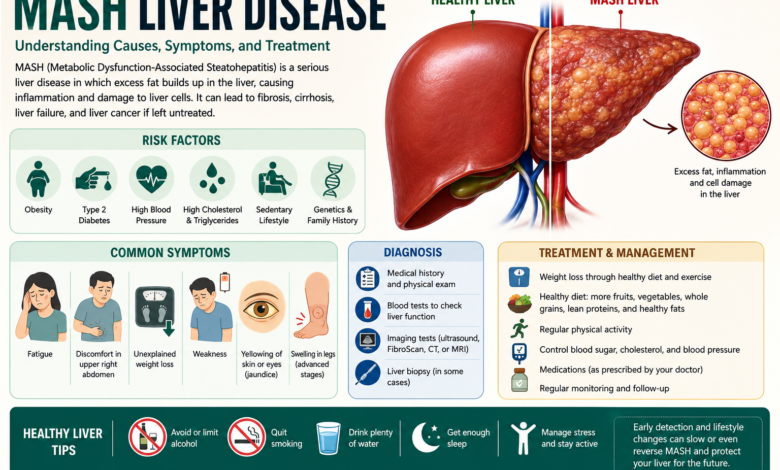
The liver is one of the body’s most important organs, performing hundreds of essential functions such as filtering toxins, producing bile, storing nutrients, regulating blood sugar, and supporting metabolism. When the liver becomes damaged, what is mash liver disease these vital functions can gradually decline, affecting overall health.
One liver condition receiving increasing attention is MASH liver disease. If you’ve searched for “What is MASH liver disease?”, you’re likely looking for clear, reliable information about this condition, its symptoms, causes, diagnosis, and treatment.
Metabolic Dysfunction-Associated Steatohepatitis (MASH) is the new medical term for what was previously known as Nonalcoholic Steatohepatitis (NASH). It is a serious form of fatty liver disease in which excess fat accumulates in the liver, leading to inflammation and liver cell damage. If left untreated, MASH can progress to liver fibrosis, cirrhosis, liver failure, or even liver cancer.
The good news is that early diagnosis and healthy lifestyle changes can often slow or even reverse liver damage in many people.
This comprehensive guide explains what MASH liver disease is, its causes, symptoms, risk factors, diagnosis, and stages.
What Is MASH Liver Disease?
MASH (Metabolic Dysfunction-Associated Steatohepatitis) is a chronic liver disease characterized by:
- Fat buildup in the liver
- Liver inflammation
- Damage to liver cells
- Progressive scarring (fibrosis)
Unlike liver disease caused by heavy alcohol consumption, MASH develops primarily because of metabolic health problems, such as obesity, type 2 diabetes, insulin resistance, and abnormal cholesterol levels.
Medical experts introduced the term MASH to better reflect the condition’s close relationship with metabolic dysfunction.
Understanding Fatty Liver Disease
Fatty liver disease occurs when too much fat accumulates in liver cells.
There are two main categories:
Metabolic Dysfunction-Associated Steatotic Liver Disease (MASLD)
Previously called Nonalcoholic Fatty Liver Disease (NAFLD), MASLD refers to fat accumulation in the liver without significant inflammation.
Metabolic Dysfunction-Associated Steatohepatitis (MASH)
MASH is a more advanced form in which fatty liver is accompanied by inflammation and liver cell injury.
This ongoing inflammation can eventually lead to permanent scarring.
What Causes MASH Liver Disease?
The exact cause is not fully understood, but MASH develops because of several interacting factors.
Insulin Resistance
Insulin resistance is considered one of the leading contributors.
When the body becomes resistant to insulin:
- Blood sugar rises.
- More fat is stored in the liver.
- Liver inflammation increases.
Obesity
Excess body fat, especially around the abdomen, significantly increases the risk of developing MASH.
Type 2 Diabetes
People with type 2 diabetes are much more likely to develop fatty liver disease and MASH due to long-term metabolic changes.
High Cholesterol and Triglycerides
Abnormal blood fat levels contribute to fat accumulation inside liver cells.
Genetics
Some individuals inherit genes that increase their susceptibility to liver disease.
Metabolic Syndrome
MASH commonly occurs in people with metabolic syndrome, which includes:
- High blood pressure
- High blood sugar
- Excess abdominal fat
- Elevated triglycerides
- Low HDL (“good”) cholesterol
Risk Factors
Several factors increase the likelihood of developing MASH.
These include:
- Obesity
- Type 2 diabetes
- Prediabetes
- High cholesterol
- High triglycerides
- High blood pressure
- Sedentary lifestyle
- Family history of liver disease
- Sleep apnea
- Polycystic ovary syndrome (PCOS)
- Age over 40
However, MASH can also occur in younger adults and, less commonly, in children.
Symptoms of MASH Liver Disease
One of the biggest challenges is that MASH often causes no symptoms during its early stages.
As liver damage progresses, symptoms may include:
Fatigue
Persistent tiredness is among the most commonly reported symptoms.
Discomfort in the Upper Right Abdomen
Some people experience a dull ache or fullness beneath the ribs on the right side.
Unexplained Weight Changes
Weight changes may occur due to metabolic disorders or advanced liver disease.
Weakness
General weakness may become noticeable as liver function declines.
Enlarged Liver
A healthcare provider may detect an enlarged liver during a physical examination.
Advanced Symptoms
If MASH progresses to cirrhosis, symptoms may include:
- Yellowing of the skin and eyes (jaundice)
- Swelling in the legs
- Abdominal fluid buildup (ascites)
- Easy bruising
- Confusion
- Severe fatigue
These symptoms require immediate medical evaluation.
How Is MASH Diagnosed?
Diagnosing MASH usually involves several steps.
Medical History
Your healthcare provider may ask about:
- Weight history
- Diabetes
- Family history
- Alcohol use
- Current medications
- Lifestyle habits
Physical Examination
The examination may include checking for:
- Enlarged liver
- Abdominal tenderness
- Signs of advanced liver disease
Blood Tests
Blood tests evaluate liver function and may measure:
- ALT
- AST
- Bilirubin
- Albumin
These tests can indicate liver inflammation but cannot confirm MASH on their own.
Imaging Tests
Healthcare providers may recommend imaging studies such as:
- Ultrasound
- CT scan
- MRI
- Elastography
These tests help detect fat accumulation and assess liver stiffness.
Liver Biopsy
In some cases, a liver biopsy remains the most accurate way to confirm MASH and determine the extent of inflammation and scarring.
A small tissue sample is examined under a microscope.
Stages of MASH Liver Disease
MASH progresses gradually through several stages.
Stage 1: Fatty Liver
Fat accumulates inside liver cells with little or no permanent damage.
This stage may improve with healthy lifestyle changes.
Stage 2: Inflammation (MASH)
The liver develops inflammation and injury to liver cells.
This stage increases the risk of future scarring.
Stage 3: Fibrosis
Scar tissue begins replacing healthy liver tissue.
Although the liver can still function, increasing fibrosis raises the risk of complications.
Stage 4: Cirrhosis
Extensive scarring permanently damages the liver.
Cirrhosis can lead to liver failure, portal hypertension, and liver cancer.
Early diagnosis aims to prevent progression to this stage.
Why Early Diagnosis Matters
Detecting MASH early offers the best chance to slow or stop disease progression.
Many people can significantly improve their liver health through:
- Weight loss
- Regular exercise
- Blood sugar control
- Healthy eating
- Cholesterol management
- Routine medical follow-up
Because MASH often develops silently, people with obesity, diabetes, or metabolic syndrome should discuss liver health with their healthcare provider.
Conclusion (Part 1)
MASH liver disease is a serious form of fatty liver disease associated with metabolic dysfunction. Unlike simple fatty liver, MASH involves liver inflammation and damage that can progress to fibrosis, cirrhosis, and liver failure if not properly managed.
Fortunately, early diagnosis and appropriate treatment can greatly improve long-term outcomes. Recognizing the risk factors, understanding the symptoms, and undergoing timely medical evaluation are important first steps toward protecting liver health.
Treatment for MASH Liver Disease
There is no single treatment that works for everyone with Metabolic Dysfunction-Associated Steatohepatitis (MASH). The treatment plan depends on the severity of liver damage, the presence of fibrosis or cirrhosis, and other health conditions such as obesity, type 2 diabetes, or high cholesterol.
The primary goals of treatment are to:
- Reduce liver fat
- Decrease inflammation
- Prevent liver scarring (fibrosis)
- Improve metabolic health
- Lower the risk of liver failure and liver cancer
Your healthcare provider may recommend a combination of lifestyle changes, medications, and regular monitoring.
Weight Loss
Weight loss is one of the most effective treatments for MASH.
Research shows that losing even a moderate amount of body weight can significantly reduce liver fat and inflammation.
Healthy weight loss should occur gradually through:
- A balanced diet
- Regular physical activity
- Medical supervision when appropriate
Crash diets and rapid weight loss are generally not recommended because they may worsen liver problems.
Healthy Diet for MASH
A nutritious diet is essential for protecting the liver.
Foods that may support liver health include:
Eat More Of:
- Fresh vegetables
- Fruits
- Whole grains
- Beans and legumes
- Fish rich in omega-3 fatty acids
- Skinless poultry
- Olive oil
- Nuts and seeds
Limit or Avoid:
- Sugary drinks
- Processed foods
- Fried foods
- White bread and refined carbohydrates
- Candy and desserts
- Processed meats
- Foods high in saturated fat
- Excess sodium
A Mediterranean-style eating pattern is often recommended because it supports both liver and heart health.
Regular Exercise
Physical activity helps reduce liver fat even if weight loss is modest.
Aim for at least 150 minutes of moderate exercise per week, such as:
- Brisk walking
- Cycling
- Swimming
- Dancing
- Strength training
Choose activities you enjoy so they become part of your routine.
Managing Other Health Conditions
Because MASH is closely linked to metabolic dysfunction, managing related conditions is an important part of treatment.
These include:
Type 2 Diabetes
Keeping blood sugar within target ranges can help reduce further liver damage.
High Blood Pressure
Controlling blood pressure supports both liver and cardiovascular health.
High Cholesterol
Managing cholesterol and triglycerides may reduce fat buildup in the liver.
Medications
Some medications may be recommended based on individual needs and the latest medical guidance.
These may include medicines used to:
- Improve blood sugar control
- Support weight loss
- Manage cholesterol
- Treat complications of advanced liver disease
Never start or stop medication without consulting your healthcare provider.
Regular Monitoring
People diagnosed with MASH should attend regular follow-up appointments.
Monitoring may include:
- Blood tests
- Liver imaging
- Fibrosis assessment
- Weight and blood pressure checks
- Diabetes monitoring
Regular evaluations help track disease progression and treatment effectiveness.
Possible Complications
If left untreated, MASH can lead to serious health problems.
Potential complications include:
- Liver fibrosis
- Cirrhosis
- Liver failure
- Portal hypertension
- Liver cancer (hepatocellular carcinoma)
- Increased risk of heart disease
- Chronic kidney disease
Cardiovascular disease is one of the leading causes of illness and death in people with MASH, making heart-healthy habits especially important.
Can MASH Be Reversed?
In many cases, early-stage MASH can improve, especially when liver scarring is minimal.
People who:
- Lose excess weight
- Eat a healthy diet
- Exercise regularly
- Control diabetes
- Manage cholesterol
may experience significant improvements in liver inflammation and fat accumulation.
Advanced cirrhosis, however, is generally irreversible, highlighting the importance of early diagnosis.
Preventing MASH Liver Disease
Although not every case can be prevented, healthy lifestyle habits greatly reduce the risk.
Helpful prevention strategies include:
- Maintain a healthy weight.
- Exercise regularly.
- Eat a balanced diet.
- Limit sugary beverages.
- Control blood sugar.
- Manage cholesterol levels.
- Treat high blood pressure.
- Get routine health checkups.
- Avoid unnecessary alcohol consumption.
- Follow your healthcare provider’s advice if you have metabolic syndrome.
Living with MASH
Many people successfully manage MASH through consistent lifestyle changes.
Helpful daily habits include:
- Planning healthy meals.
- Staying physically active.
- Drinking enough water.
- Getting sufficient sleep.
- Managing stress.
- Taking prescribed medications.
- Attending regular medical appointments.
Small, sustainable changes often provide better long-term results than drastic short-term efforts.
When Should You See a Doctor?
Schedule a medical evaluation if you:
- Have persistent fatigue
- Experience pain in the upper right abdomen
- Have obesity or type 2 diabetes
- Have abnormal liver blood tests
- Have a family history of liver disease
- Notice yellowing of the skin or eyes
- Develop swelling in the abdomen or legs
Early diagnosis provides the best opportunity to prevent serious liver damage.
Frequently Asked Questions
What does MASH stand for?
MASH stands for Metabolic Dysfunction-Associated Steatohepatitis, the updated medical name for a serious form of fatty liver disease associated with metabolic dysfunction.
Is MASH the same as fatty liver?
No. Simple fatty liver (MASLD) involves fat buildup in the liver, while MASH includes fat buildup plus inflammation and liver cell damage, making it more serious.
Can MASH cause liver failure?
Yes. If untreated, MASH may progress to cirrhosis and eventually liver failure in some individuals.
Can weight loss improve MASH?
Yes. Gradual, medically supervised weight loss is one of the most effective ways to reduce liver fat and inflammation.
Is MASH caused by alcohol?
No. MASH is primarily associated with metabolic dysfunction rather than heavy alcohol use.
Conclusion
MASH liver disease is a progressive condition that develops when excess fat, inflammation, and liver cell damage occur together as a result of metabolic dysfunction. Although it can lead to serious complications such as fibrosis, cirrhosis, and liver failure, early diagnosis offers an excellent opportunity to slow or even reverse disease progression.
Healthy lifestyle choices—including maintaining a healthy weight, eating a balanced diet, exercising regularly, and managing conditions like diabetes and high cholesterol—are the foundation of successful treatment. Working closely with your healthcare provider and attending regular follow-up appointments can help protect your liver and improve your overall health for years to come.
SEO Details
SEO Title: What Is MASH Liver Disease? Symptoms, Causes, Treatment & Diet
Category: Diseases & Conditions
Suggested Tags:
- What Is MASH Liver Disease
- MASH Liver Disease
- Metabolic Dysfunction-Associated Steatohepatitis
- Fatty Liver Disease
- Liver Health
- Liver Disease
- MASLD
- Liver Fibrosis
- Cirrhosis
- Diseases & Conditions