Raynaud’s disease mittens: The Best Way to Keep Hands Warm and Comfortable

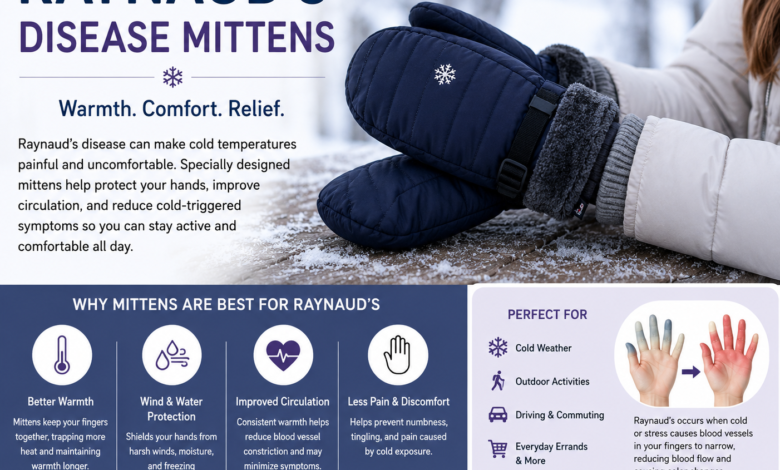
For people living with Raynaud’s disease, cold temperatures can be more than just uncomfortable—they can trigger painful symptoms that affect daily life. One of the most effective ways to protect the hands from cold exposure is by wearing specially designed Raynaud’s disease mittens. These mittens help maintain warmth, improve comfort, and reduce the likelihood of Raynaud’s attacks during cold weather.
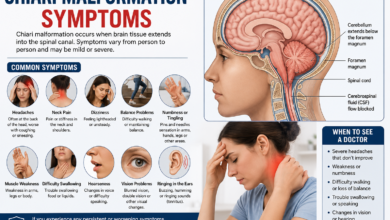
Raynaud’s disease, also known as Raynaud’s phenomenon, causes blood vessels in the fingers and toes to narrow excessively when exposed to cold temperatures or emotional stress. As blood flow decreases, affected areas may turn white, blue, or red and become numb, painful, or tingling.
Because the hands are often the first part of the body exposed to cold conditions, proper hand protection is essential. Raynaud’s disease mittens have become an important solution for individuals seeking better temperature regulation and improved quality of life.
This article explores the benefits of Raynaud’s disease mittens, their features, how they work, and tips for choosing the best pair.
Understanding Raynaud’s Disease
Raynaud’s disease is a condition that affects blood circulation. When exposed to cold weather or stress, small blood vessels in the fingers and toes constrict more than normal.
Common symptoms include:
- Cold fingers and toes
- Color changes in the skin
- Tingling sensations
- Numbness
- Pain during warming
- Reduced circulation
Episodes can vary in severity and duration. While some people experience mild symptoms, others may face significant discomfort that interferes with daily activities.
Protecting the hands from temperature changes is often one of the most effective ways to manage symptoms.
Why Hand Protection Matters
The fingers contain many small blood vessels that respond quickly to cold temperatures. For individuals with Raynaud’s disease, even brief exposure to cool air can trigger symptoms.
Everyday situations that may lead to an attack include:
- Winter weather
- Air-conditioned environments
- Holding cold drinks
- Grocery shopping in refrigerated sections
- Outdoor activities
- Handling frozen foods
Proper hand protection helps maintain warmth and reduces exposure to triggers.
Why Mittens Are Better Than Gloves
Many people wonder whether gloves or mittens provide better protection.
For individuals with Raynaud’s disease, mittens are generally considered the superior option.
Shared Warmth
Unlike gloves, mittens keep most fingers together in a single compartment.
This allows fingers to share body heat, creating a warmer internal environment.
Better Heat Retention
Mittens have less exposed surface area compared to gloves, helping retain warmth more effectively.
Improved Circulation Support
Keeping the fingers warm can help reduce blood vessel constriction and support better circulation.
Reduced Heat Loss
Since fingers remain grouped together, there is less opportunity for heat to escape.
For these reasons, healthcare professionals often recommend mittens over traditional gloves for individuals experiencing Raynaud’s symptoms.
Features of Raynaud’s Disease Mittens
Not all mittens are created equally. Raynaud’s disease mittens often include specialized features designed to maximize warmth and comfort.
Insulated Construction
High-quality insulation helps trap body heat and maintain a comfortable temperature inside the mitten.
Popular insulation materials may include:
- Synthetic insulation
- Fleece linings
- Wool blends
- Thermal fibers
Windproof Materials
Cold wind can significantly increase heat loss.
Wind-resistant outer layers help protect hands from harsh weather conditions.
Waterproof Protection
Wet hands become cold much faster than dry hands.
Many Raynaud’s disease mittens include waterproof or water-resistant materials that prevent moisture from entering.
Breathability
While warmth is essential, breathability also matters.
Quality mittens allow excess moisture to escape, reducing sweat buildup and maintaining comfort.
Extended Cuffs
Long cuffs help prevent cold air from entering around the wrists.
This feature is especially beneficial during outdoor activities.
Heated Mittens for Raynaud’s Disease
Technology has introduced a new category of hand protection: heated mittens.
These mittens use rechargeable battery systems to generate additional warmth.
Benefits of Heated Mittens
Heated mittens may provide:
- Consistent warmth
- Adjustable heat settings
- Improved comfort in extreme cold
- Enhanced symptom management
Many individuals with severe Raynaud’s symptoms find heated mittens particularly helpful during winter months.
Battery Life Considerations
When choosing heated mittens, users should consider:
- Battery duration
- Charging time
- Heat settings
- Weight and comfort
Longer battery life can provide greater convenience for outdoor activities.
Best Materials for Raynaud’s Disease Mittens
The material used in mittens significantly affects performance.
Wool
Wool is naturally insulating and retains warmth even when slightly damp.
Benefits include:
- Excellent thermal properties
- Moisture management
- Natural comfort
Fleece
Fleece offers lightweight warmth and softness.
It is often used as an interior lining to increase comfort.
Synthetic Insulation
Modern synthetic materials provide reliable warmth while remaining lightweight.
Advantages include:
- Fast drying
- Durability
- Effective insulation
Leather
Some mittens incorporate leather exteriors for enhanced durability and weather resistance.
Leather can provide additional protection against wind and moisture.
Everyday Uses for Raynaud’s Disease Mittens
People with Raynaud’s disease may benefit from wearing mittens during various daily activities.
Outdoor Walking
Cold air exposure during walks can trigger symptoms.
Insulated mittens help maintain warmth and comfort.
Driving
Cold steering wheels may cause finger discomfort.
Mittens can help reduce temperature-related triggers before entering the vehicle.
Winter Sports
Activities such as skiing, snowboarding, and hiking require effective hand protection.
Specialized mittens designed for cold-weather sports offer enhanced warmth and durability.
Grocery Shopping
Frozen food sections can expose hands to cold temperatures.
Keeping mittens accessible may help prevent attacks.
Additional Strategies for Managing Raynaud’s Disease
While mittens play an important role, they are most effective when combined with other protective measures.
Dress in Layers
Keeping the entire body warm helps maintain circulation.
Stay Dry
Wet clothing can increase heat loss and trigger symptoms.
Avoid Sudden Temperature Changes
Gradual warming and cooling may help reduce attacks.
Keep Emergency Warmers Available
Hand warmers can provide additional heat when needed.
Manage Stress
Emotional stress may contribute to Raynaud’s episodes in some individuals.
Relaxation techniques can support overall symptom management.
Choosing the Right Raynaud’s Disease Mittens
Several factors should be considered when selecting mittens.
Warmth Level
Individuals living in colder climates may require higher insulation levels.
Fit
Mittens should fit comfortably without restricting circulation.
Overly tight handwear can worsen symptoms.
Weight
Lightweight mittens often provide greater comfort for extended wear.
Durability
High-quality construction can extend product lifespan and improve long-term value.
Ease of Use
Simple closures and adjustable features can improve convenience.
Common Mistakes to Avoid
Some individuals unknowingly choose handwear that provides insufficient protection.
Common mistakes include:
- Wearing thin gloves in extreme cold
- Ignoring waterproof features
- Choosing tight-fitting designs
- Delaying hand protection until symptoms begin
- Neglecting overall body warmth
Avoiding these mistakes can improve comfort and symptom control.
The Importance of Early Protection
One of the most effective approaches to managing Raynaud’s disease is preventing symptoms before they start.
Rather than waiting for fingers to become cold, individuals should wear protective mittens proactively whenever cold exposure is anticipated.
This preventive strategy often provides better results than trying to warm the hands after symptoms have already developed.
Conclusion
Raynaud’s disease mittens are an essential tool for individuals seeking relief from cold-related symptoms and circulation challenges. By providing superior warmth, improved heat retention, and enhanced protection from environmental triggers, these specialized mittens can significantly improve daily comfort.
Whether choosing traditional insulated mittens or advanced heated designs, investing in proper hand protection can make a substantial difference in managing Raynaud’s disease. Combined with other preventive strategies, Raynaud’s disease mittens help individuals stay active, comfortable, and confident throughout the year.
For anyone living with Raynaud’s disease, selecting high-quality mittens is not simply a matter of comfort—it’s an important step toward maintaining hand health and improving overall quality of life.