Diseases & Conditions

Dilantin side effects: What You Need to Know

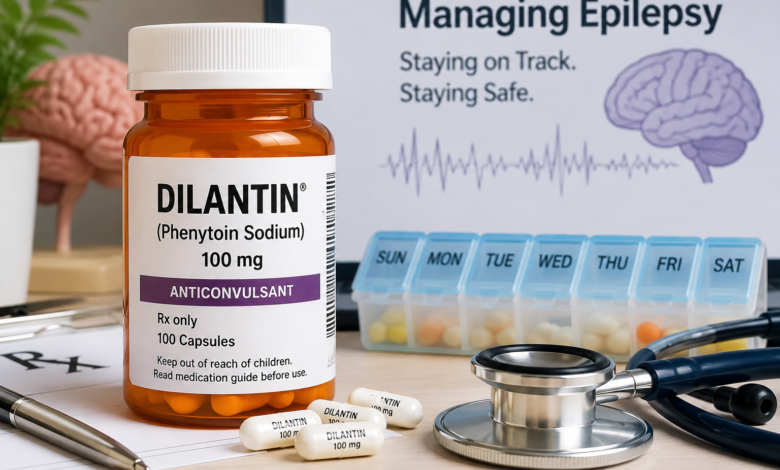
Dilantin, also known by its generic name phenytoin, is one of the oldest and most commonly prescribed medications for controlling seizures. It has helped millions of people manage epilepsy and prevent seizure-related complications. Doctors may also prescribe it in certain situations to prevent seizures after brain injuries or neurosurgery.

Like any medication, however, Dilantin can cause side effects. While many people take it without experiencing major problems, others may notice mild discomfort or, in rare cases, develop serious health complications. Understanding these possible side effects is important because early recognition can help prevent more severe issues.

This guide explains the most common and serious Dilantin side effects, why they happen, who is at greater risk, and when you should seek medical attention. Whether you have recently started taking Dilantin or have been using it for years, knowing what to expect can help you use the medication safely and confidently.


What Is Dilantin?

Dilantin (phenytoin) is an antiepileptic medication, sometimes called an anticonvulsant. It works by stabilizing electrical activity in the brain, making nerve cells less likely to produce the abnormal signals that trigger seizures.

Doctors commonly prescribe Dilantin for:

  • Epilepsy
  • Generalized tonic-clonic seizures
  • Focal (partial) seizures
  • Prevention of seizures after brain surgery
  • Certain emergency seizure situations in hospitals

Although Dilantin is highly effective, it requires careful monitoring because the difference between an effective dose and a harmful dose can be relatively small. Blood tests are often recommended to ensure medication levels remain within the therapeutic range.


How Dilantin Causes Side Effects

Every medication affects the body in different ways. Dilantin works by slowing excessive electrical activity in the brain, but it can also influence other organs and body systems.

Several factors can increase the likelihood of side effects, including:

  • Taking higher doses
  • Long-term use
  • Age
  • Liver disease
  • Drug interactions
  • Individual sensitivity
  • High blood levels of phenytoin

Some people experience side effects shortly after beginning treatment, while others may develop them only after months or years of continuous use.


Common Dilantin Side Effects

Most people experience only mild or moderate side effects, especially during the first few weeks of treatment. Many improve as the body adjusts to the medication.

1. Dizziness

Dizziness is among the most frequently reported Dilantin side effects.

People may notice:

  • Feeling lightheaded
  • Trouble maintaining balance
  • Unsteadiness while walking
  • Difficulty climbing stairs

Because dizziness increases the risk of falls, patients should be cautious when driving or operating machinery until they know how the medication affects them.


2. Drowsiness and Fatigue

Many people feel unusually sleepy after starting Dilantin.

Symptoms may include:

  • Daytime tiredness
  • Reduced energy
  • Difficulty concentrating
  • Feeling mentally slower than usual

These symptoms often improve after the body adapts to the medication.


3. Poor Coordination

Dilantin can interfere with muscle coordination.

Patients sometimes experience:

  • Clumsy movements
  • Trouble with fine motor skills
  • Difficulty writing neatly
  • Shaking while reaching for objects

These problems become more noticeable if blood levels of Dilantin become too high.


4. Nausea and Upset Stomach

Digestive discomfort is another common complaint.

Possible symptoms include:

  • Nausea
  • Vomiting
  • Loss of appetite
  • Mild stomach pain
  • Indigestion

Taking Dilantin with food may help reduce stomach irritation unless your healthcare provider recommends otherwise.


5. Headache

Some people develop headaches after beginning treatment.

The headaches are usually mild but should be discussed with a healthcare provider if they become severe or persistent.


6. Blurred Vision

Dilantin may temporarily affect vision.

Some patients notice:

  • Blurry eyesight
  • Difficulty focusing
  • Double vision
  • Eye movement problems

Vision changes should never be ignored, particularly if they appear suddenly.


7. Difficulty Speaking Clearly

Higher blood levels of Dilantin may affect speech.

Symptoms can include:

  • Slurred speech
  • Difficulty pronouncing words
  • Speaking more slowly than normal

These signs may indicate that the medication level is too high and should be evaluated promptly.


Less Common Dilantin Side Effects

Although these effects occur less frequently, they can still affect daily life.

Swollen Gums (Gingival Hyperplasia)

One of the most well-known long-term Dilantin side effects is enlargement of the gums.

Signs include:

  • Puffy gums
  • Gum swelling
  • Difficulty cleaning teeth
  • Bleeding during brushing
  • Gum tenderness

Good oral hygiene can significantly reduce the risk of this complication.

Dentists often recommend:

  • Brushing twice daily
  • Daily flossing
  • Regular professional cleanings
  • Routine dental examinations

Increased Hair Growth

Some people notice excessive hair growth on the:

  • Face
  • Arms
  • Legs
  • Back

This side effect is harmless but may be bothersome for some individuals.


Skin Changes

Dilantin may occasionally cause skin problems, including:

  • Mild rash
  • Dry skin
  • Itching
  • Increased sensitivity

Any rash should be reported to a healthcare provider because, in rare cases, it may signal a serious allergic reaction.


Mood Changes

Some patients experience emotional or behavioral changes while taking Dilantin.

Possible symptoms include:

  • Irritability
  • Anxiety
  • Restlessness
  • Depression
  • Mood swings

Although these symptoms are uncommon, they deserve medical attention if they interfere with daily life.


Serious Dilantin Side Effects

While uncommon, some side effects require immediate medical evaluation.

Severe Allergic Reactions

A serious allergic reaction can develop suddenly.

Warning signs include:

  • Swelling of the face
  • Swollen lips
  • Tongue swelling
  • Difficulty breathing
  • Severe itching
  • Hives

This is a medical emergency and requires immediate treatment.


Serious Skin Reactions

Rare but potentially life-threatening skin reactions have been linked to Dilantin.

Symptoms may include:

  • Widespread rash
  • Painful blisters
  • Skin peeling
  • Mouth sores
  • Fever accompanying a rash

These reactions require emergency medical care because they can progress rapidly.


Liver Problems

Dilantin can occasionally affect liver function.

Symptoms include:

  • Yellowing of the skin
  • Yellow eyes
  • Dark urine
  • Persistent nausea
  • Severe fatigue
  • Pain in the upper right abdomen

Doctors may perform routine blood tests to monitor liver health, particularly during long-term treatment.


Blood Disorders

Although rare, Dilantin may interfere with normal blood cell production.

Possible warning signs include:

  • Frequent infections
  • Persistent fever
  • Easy bruising
  • Unusual bleeding
  • Extreme tiredness
  • Pale skin

Blood tests can help detect these complications early before they become serious.


Heart Rhythm Problems

In some situations—particularly when Dilantin is given intravenously in a hospital—it can affect heart rhythm.

Possible symptoms include:

  • Slow heartbeat
  • Irregular heartbeat
  • Chest discomfort
  • Fainting
  • Shortness of breath

Immediate medical attention is necessary if these symptoms occur.

Long-Term Dilantin Side Effects

For many people, Dilantin is prescribed for years to keep seizures under control. While long-term treatment can be highly effective, it also increases the risk of certain side effects that may develop gradually. Regular medical checkups and routine blood tests help identify these issues early.

Bone Health Problems

One of the most significant long-term concerns with Dilantin is its effect on bone health. The medication can interfere with the body’s ability to absorb and use vitamin D, which is essential for maintaining strong bones.

Over time, this may lead to:

  • Reduced bone density
  • Osteopenia
  • Osteoporosis
  • Increased risk of fractures

People who have been taking Dilantin for several years may benefit from periodic bone density testing. Doctors often recommend adequate calcium and vitamin D intake, along with weight-bearing exercise, to support bone health.


Peripheral Neuropathy

Long-term use of Dilantin may occasionally affect the nerves outside the brain and spinal cord, a condition known as peripheral neuropathy.

Symptoms may include:

  • Tingling in the hands or feet
  • Numbness
  • Burning sensations
  • Muscle weakness
  • Reduced sensation in the limbs

These symptoms often develop slowly and should be discussed with a healthcare provider if they become noticeable.


Vitamin Deficiencies

Dilantin can affect the body’s absorption or metabolism of several important vitamins.

Possible deficiencies include:

  • Vitamin D
  • Folate (Vitamin B9)
  • Vitamin K

Low vitamin levels may contribute to fatigue, anemia, bone weakness, or easy bruising. Your doctor may recommend supplements if blood tests show a deficiency.


Changes in Facial Features

People who take Dilantin for many years may notice subtle changes in their facial appearance. This is uncommon but well documented.

Possible changes include:

  • Thickening of facial features
  • Enlarged gums
  • Coarser skin texture

These changes usually occur gradually and are more likely with prolonged use or higher doses.


Who Is More Likely to Experience Dilantin Side Effects?

Although anyone taking Dilantin can develop side effects, certain individuals have a higher risk.

Risk factors include:

  • Older adults
  • Young children
  • People with liver disease
  • Individuals with kidney problems
  • Patients taking multiple medications
  • People with high Dilantin blood levels
  • Those using the medication for many years

Genetics may also play a role. In some populations, specific genetic variations increase the risk of severe skin reactions. Healthcare providers may recommend genetic testing before starting treatment in certain cases.


Drug Interactions That Can Increase Side Effects

Dilantin interacts with many prescription medications, over-the-counter drugs, vitamins, and herbal supplements. Some interactions can increase the amount of Dilantin in the bloodstream, while others can reduce its effectiveness.

Examples include:

  • Certain antibiotics
  • Antifungal medications
  • Blood thinners
  • Birth control pills
  • Corticosteroids
  • Some antidepressants
  • Anti-seizure medications
  • Herbal products such as St. John’s Wort

Alcohol can also affect how Dilantin works and may increase side effects like dizziness, drowsiness, and poor coordination.

Always inform your healthcare provider and pharmacist about every medication or supplement you are taking before starting or stopping Dilantin.


Dilantin During Pregnancy and Breastfeeding

If you are pregnant, planning to become pregnant, or breastfeeding, speak with your healthcare provider before making any changes to your medication.

Dilantin may increase the risk of certain birth defects when taken during pregnancy. However, uncontrolled seizures can also pose serious risks to both the mother and baby. Because of this, treatment decisions should always be made with medical guidance.

Dilantin can pass into breast milk in small amounts. Your healthcare provider can help determine whether breastfeeding is appropriate based on your individual situation and your baby’s health.

Never stop taking Dilantin on your own during pregnancy, as suddenly discontinuing seizure medication may lead to dangerous seizures.


When Should You Contact a Doctor?

Many mild side effects improve as your body adjusts to Dilantin, but some symptoms should never be ignored.

Contact your healthcare provider if you experience:

  • Persistent dizziness
  • Frequent falls
  • Blurred or double vision
  • Severe nausea or vomiting
  • Swollen or bleeding gums
  • Mood changes or depression
  • Tingling or numbness in the hands or feet

Seek emergency medical care immediately if you develop:

  • Difficulty breathing
  • Swelling of the face, lips, tongue, or throat
  • Severe skin rash with blisters or peeling
  • High fever with a rash
  • Yellowing of the skin or eyes
  • Unusual bleeding or bruising
  • Fainting or irregular heartbeat

Prompt medical attention can help prevent serious complications.


Tips to Help Reduce Dilantin Side Effects

Although not every side effect can be prevented, several healthy habits may lower your risk and help you stay well while taking Dilantin.

Take Your Medication Exactly as Prescribed

Never increase, decrease, or skip doses unless instructed by your healthcare provider. Consistent dosing helps maintain stable blood levels.

Attend Regular Medical Checkups

Routine appointments allow your doctor to monitor:

  • Blood levels of Dilantin
  • Liver function
  • Blood cell counts
  • Bone health
  • Overall treatment effectiveness

Practice Good Oral Hygiene

Since gum overgrowth is a known side effect, maintaining excellent dental care is especially important.

Brush twice a day, floss daily, and visit your dentist regularly for professional cleanings.

Eat a Balanced Diet

A healthy diet rich in calcium, vitamin D, fruits, vegetables, lean protein, and whole grains supports overall health and may help reduce long-term complications.

Limit Alcohol

Alcohol may increase drowsiness, dizziness, and coordination problems. It can also interfere with seizure control in some individuals.

Never Stop Dilantin Suddenly

Stopping Dilantin without medical supervision can trigger seizures, including life-threatening seizures in some cases. If the medication needs to be discontinued, your healthcare provider will usually reduce the dose gradually.


Frequently Asked Questions (FAQs)

What is the most common side effect of Dilantin?

The most commonly reported side effects include dizziness, drowsiness, poor coordination, nausea, and blurred vision. These effects are often mild and may improve as your body adjusts to the medication.

Can Dilantin cause weight gain?

Weight gain is not considered a common side effect of Dilantin. Some people may experience changes in appetite or body weight, but these are generally less frequent than with certain other anti-seizure medications.

Does Dilantin affect memory?

Some individuals report problems with concentration, memory, or mental processing while taking Dilantin, particularly if blood levels become too high. If these symptoms occur, consult your healthcare provider.

Can Dilantin damage the liver?

Although uncommon, Dilantin can affect liver function. Your doctor may recommend periodic blood tests to monitor liver health, especially during long-term treatment.

How long do Dilantin side effects last?

Some side effects, such as dizziness or drowsiness, may improve within days or weeks as your body adapts to the medication. Others, including gum enlargement or bone-related issues, may develop gradually over months or years.

Is it safe to take Dilantin for many years?

Many people safely take Dilantin for long periods under medical supervision. Regular monitoring helps reduce the risk of complications and ensures the medication continues to work effectively.


Conclusion

Dilantin remains an effective medication for controlling seizures and improving the quality of life for many people living with epilepsy. Like all medicines, it carries the possibility of side effects, ranging from mild symptoms such as dizziness and fatigue to more serious complications involving the skin, liver, blood, or bones.

Understanding these potential side effects allows you to recognize warning signs early and seek medical advice when needed. Most people can continue taking Dilantin safely with proper monitoring, regular checkups, and healthy lifestyle habits.

Never stop or adjust your medication without consulting your healthcare provider. Working closely with your medical team helps ensure that the benefits of seizure control outweigh the potential risks, allowing you to manage your condition safely and confidently.

Related Articles

Leave a Reply

Your email address will not be published. Required fields are marked *