Do Hemorrhoids Bleed? Causes, Symptoms, and When to See a Doctor

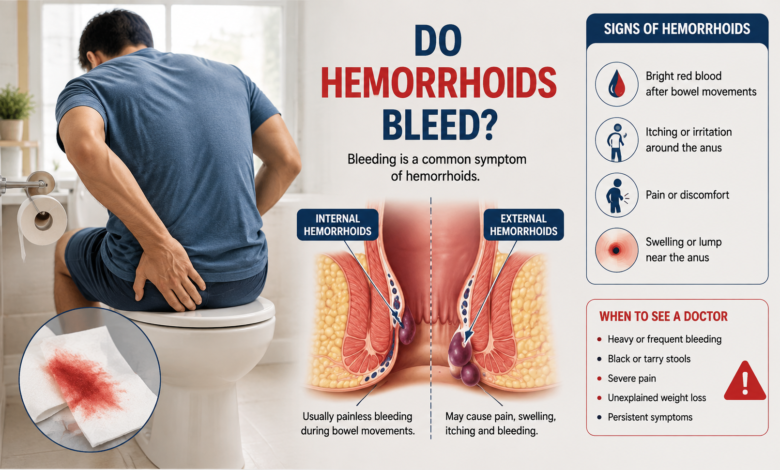
Do hemorrhoids bleed. Hemorrhoids are one of the most common conditions affecting the lower rectum and anus. They occur when the veins in these areas become swollen or enlarged, often due to increased pressure from straining during bowel movements, chronic constipation, pregnancy, or prolonged sitting. While hemorrhoids can cause itching, discomfort, and pain, one of the symptoms that concerns many people most is bleeding.
Seeing blood after a bowel movement can be alarming, but bleeding from hemorrhoids is often mild and treatable. In many cases, the blood appears as bright red streaks on toilet paper, in the toilet bowl, or on the surface of the stool. However, rectal bleeding is not always caused by hemorrhoids. Other digestive conditions—including anal fissures, inflammatory bowel disease, polyps, and colorectal cancer—can also cause bleeding. That is why persistent or unexplained rectal bleeding should always be evaluated by a healthcare provider.
This guide explains whether hemorrhoids bleed, why bleeding occurs, common symptoms, possible causes, risk factors, and when it is important to seek medical attention.
Do Hemorrhoids Bleed?
Yes, hemorrhoids can bleed, especially during or after a bowel movement.
Bleeding usually happens when the swollen veins become irritated or damaged as stool passes through the anal canal. Hard stools, excessive straining, or frequent wiping can cause the surface of a hemorrhoid to break, resulting in small amounts of bleeding.
Most hemorrhoid-related bleeding is:
- Bright red in color
- Seen on toilet paper
- Visible in the toilet bowl
- Found on the outside of the stool
- Painless in many cases, particularly with internal hemorrhoids
Although hemorrhoid bleeding is often not an emergency, it should never be ignored if it is severe, recurrent, or accompanied by other concerning symptoms.
Why Do Hemorrhoids Bleed?
Hemorrhoids contain enlarged blood vessels that are close to the surface of the anal lining. Because these vessels are delicate, they can bleed easily when exposed to friction or pressure.
Common reasons include:
- Passing hard or large stools
- Straining during bowel movements
- Chronic constipation
- Frequent diarrhea
- Excessive wiping with rough toilet paper
- Increased pressure inside the rectum
Bleeding may occur only occasionally or become more frequent if the underlying cause is not addressed.
Types of Hemorrhoids
Understanding the type of hemorrhoid can help explain why bleeding occurs.
Internal Hemorrhoids
Internal hemorrhoids develop inside the rectum and are usually painless because there are fewer pain-sensitive nerves in this area.
Common symptoms include:
- Bright red rectal bleeding
- Prolapse (a hemorrhoid that protrudes through the anus)
- Mucus discharge
- A feeling of incomplete bowel emptying
Bleeding is often the first symptom people notice.
External Hemorrhoids
External hemorrhoids form under the skin around the anus.
They may cause:
- Pain
- Swelling
- Itching
- Tenderness
- Bleeding if the skin becomes irritated or tears
External hemorrhoids are more likely to be painful than internal hemorrhoids.
Thrombosed Hemorrhoids
A thrombosed hemorrhoid occurs when a blood clot forms inside an external hemorrhoid.
Symptoms include:
- Sudden severe pain
- A hard lump near the anus
- Swelling
- Purple or bluish discoloration
Bleeding may occur if the skin over the clot breaks open.
What Does Hemorrhoid Bleeding Look Like?
Bleeding caused by hemorrhoids is usually easy to recognize.
It is often:
- Bright red
- Small in amount
- Seen after wiping
- Dripping into the toilet
- On the outside of the stool rather than mixed within it
Dark red or black stools are not typical of hemorrhoids and require prompt medical evaluation because they may indicate bleeding higher in the digestive tract.
Common Symptoms of Bleeding Hemorrhoids
Not everyone experiences the same symptoms. Some people have only mild bleeding, while others experience additional discomfort.
Common symptoms include:
- Bright red blood after bowel movements
- Itching around the anus
- Burning sensation
- Swelling near the anus
- Pain during bowel movements
- Tender lumps around the anus
- Mucus discharge
- Feeling that the rectum has not completely emptied
Symptoms often become worse during constipation or after prolonged sitting.
What Causes Hemorrhoids?
Several factors increase pressure on the veins in the rectum and anus, leading to hemorrhoid formation.
Chronic Constipation
Repeated straining is one of the leading causes of hemorrhoids.
Hard stools place extra pressure on the rectal veins, increasing the risk of both hemorrhoids and bleeding.
Chronic Diarrhea
Frequent bowel movements and repeated irritation can also contribute to hemorrhoids.
Pregnancy
Growing pressure from the uterus and hormonal changes make hemorrhoids common during pregnancy, especially during the third trimester.
Many women also develop hemorrhoids during childbirth due to intense pushing.
Sitting for Long Periods
Spending extended periods sitting—particularly on the toilet—can increase pressure on the veins around the anus.
Heavy Lifting
Regular heavy lifting may increase abdominal pressure, contributing to hemorrhoid development.
Low-Fiber Diet
A diet lacking fiber often leads to constipation and harder stools.
Increasing dietary fiber helps soften stool and reduce straining.
Risk Factors
Certain individuals are more likely to develop hemorrhoids.
Risk factors include:
- Age over 50
- Chronic constipation
- Chronic diarrhea
- Pregnancy
- Obesity
- Family history of hemorrhoids
- Low-fiber diet
- Sedentary lifestyle
- Frequent heavy lifting
- Prolonged sitting
Having these risk factors does not guarantee hemorrhoids, but it increases the likelihood of developing them.
Can Hemorrhoid Bleeding Stop on Its Own?
Yes. Mild hemorrhoid bleeding often stops on its own once irritation decreases.
Simple measures such as:
- Drinking more water
- Eating more fiber
- Avoiding straining
- Limiting time on the toilet
can reduce further irritation and help the tissue heal.
However, recurring or heavy bleeding should always be assessed by a healthcare provider to rule out other causes.
How Are Bleeding Hemorrhoids Diagnosed?
If rectal bleeding occurs, a healthcare provider will evaluate your symptoms and determine whether hemorrhoids are the cause or if another condition requires further investigation.
Diagnosis usually begins with a discussion about your symptoms, medical history, bowel habits, and any family history of digestive diseases.
Your healthcare provider may ask:
- When did the bleeding begin?
- How often does it happen?
- Is the blood bright red or dark?
- Do you have pain during bowel movements?
- Have you noticed changes in your bowel habits?
- Are you experiencing weight loss or abdominal pain?
Providing accurate information can help guide the evaluation.
Physical Examination
A physical examination may include inspecting the anal area for:
- External hemorrhoids
- Swelling
- Skin irritation
- Anal fissures
- Signs of infection
Your healthcare provider may also gently examine the rectum to identify internal hemorrhoids or other abnormalities.
Additional Tests
If the cause of bleeding is uncertain or if you have risk factors for other digestive conditions, additional tests may be recommended.
These may include:
- Anoscopy: Uses a small instrument to view the anal canal and lower rectum.
- Sigmoidoscopy: Examines the lower part of the colon.
- Colonoscopy: Allows a detailed examination of the entire colon, especially for individuals with persistent bleeding, unexplained symptoms, or those at increased risk of colorectal disease.
These tests help rule out conditions such as colorectal polyps, inflammatory bowel disease, diverticular disease, or colorectal cancer.
Treatment for Bleeding Hemorrhoids
Treatment depends on the severity of your symptoms and whether the hemorrhoids are internal or external.
Increase Fiber Intake
A high-fiber diet is one of the most effective ways to prevent and manage hemorrhoids.
Fiber helps:
- Soften stool
- Reduce straining
- Promote regular bowel movements
- Lower the risk of recurring bleeding
Good sources of fiber include fruits, vegetables, whole grains, beans, lentils, nuts, and seeds.
Stay Hydrated
Drinking enough water throughout the day helps keep stools soft and easier to pass.
Adequate hydration works best when combined with a fiber-rich diet.
Warm Sitz Baths
Sitting in a tub or basin of warm water for 10–15 minutes several times a day may help:
- Relieve discomfort
- Reduce irritation
- Promote healing
- Ease muscle tension around the anus
Many people find sitz baths especially soothing after bowel movements.
Topical Treatments
Depending on your symptoms, your healthcare provider may recommend over-the-counter creams, ointments, or suppositories to relieve:
- Itching
- Swelling
- Burning
- Mild pain
Use these products only as directed and consult your healthcare provider if symptoms persist.
Stool Softeners
If constipation contributes to hemorrhoid bleeding, stool softeners may help reduce straining during bowel movements.
Always use medications according to your healthcare provider’s recommendations.
Medical Procedures
If symptoms do not improve with conservative treatment, your healthcare provider may recommend office-based procedures or surgery.
Rubber Band Ligation
A tiny rubber band is placed around the base of an internal hemorrhoid, cutting off its blood supply.
The hemorrhoid shrinks and eventually falls off within several days.
Sclerotherapy
A special solution is injected into the hemorrhoid, causing it to shrink gradually.
Infrared Coagulation
Heat is used to create scar tissue, reducing blood flow to the hemorrhoid and causing it to shrink.
Hemorrhoidectomy
For large, painful, or recurrent hemorrhoids, surgery may be recommended to remove the affected tissue.
Although recovery may take longer than with office procedures, surgery can provide long-term relief for severe cases.
Home Remedies for Bleeding Hemorrhoids
In addition to medical treatment, these self-care measures may help reduce symptoms:
- Eat plenty of fiber-rich foods.
- Drink enough water each day.
- Avoid straining during bowel movements.
- Do not sit on the toilet longer than necessary.
- Stay physically active.
- Practice good hygiene.
- Wear loose, breathable clothing.
- Avoid delaying bowel movements when you feel the urge.
These habits can also help prevent future flare-ups.
Can Hemorrhoids Be Prevented?
Although hemorrhoids cannot always be prevented, healthy bowel habits can greatly reduce your risk.
Helpful prevention strategies include:
- Eat a balanced, high-fiber diet.
- Stay well hydrated.
- Exercise regularly.
- Maintain a healthy weight.
- Avoid prolonged sitting.
- Lift heavy objects using proper technique.
- Respond promptly to the urge to have a bowel movement.
- Limit time spent sitting on the toilet.
Small lifestyle changes can make a significant difference over time.
When Should You See a Doctor?
Seek medical evaluation if you experience:
- Rectal bleeding for the first time
- Frequent or heavy bleeding
- Blood mixed with stool
- Black or tarry stools
- Severe pain
- Fever
- Unexplained weight loss
- Persistent constipation or diarrhea
- Symptoms that do not improve with home care
Because rectal bleeding can have many causes, it is important not to assume hemorrhoids are responsible without proper evaluation.
Possible Complications
Most hemorrhoids improve with treatment, but untreated cases may lead to complications such as:
- Chronic bleeding
- Anemia from repeated blood loss
- Thrombosed hemorrhoids
- Persistent pain
- Prolapsed hemorrhoids
- Infection (rare)
Prompt treatment can reduce the risk of these complications.
Frequently Asked Questions (FAQs)
Is bleeding from hemorrhoids dangerous?
Small amounts of bright red blood are often caused by hemorrhoids and are usually not dangerous. However, any new, persistent, or heavy rectal bleeding should be evaluated by a healthcare provider.
Can hemorrhoids bleed without pain?
Yes. Internal hemorrhoids often bleed without causing pain because they are located in an area with fewer pain-sensitive nerves.
How long does hemorrhoid bleeding last?
Minor bleeding may stop within a few days once irritation decreases. If bleeding continues or returns frequently, seek medical advice.
What color is hemorrhoid blood?
Hemorrhoid bleeding is usually bright red. Dark red or black stools are not typical and require prompt medical evaluation.
Can stress cause hemorrhoids to bleed?
Stress itself does not directly cause hemorrhoids to bleed. However, stress may affect bowel habits, contributing to constipation or diarrhea, which can worsen hemorrhoid symptoms.
Can hemorrhoids heal without surgery?
Yes. Many hemorrhoids improve with lifestyle changes, increased fiber intake, hydration, and other non-surgical treatments. Surgery is usually reserved for severe or persistent cases.
Conclusion
So, do hemorrhoids bleed? Yes, they can. Bright red blood during or after a bowel movement is one of the most common signs of hemorrhoids, particularly internal hemorrhoids. Although this bleeding is often mild and resolves with conservative treatment, it should never be ignored.
Healthy lifestyle habits—such as eating a high-fiber diet, drinking plenty of water, staying active, and avoiding excessive straining—can help relieve symptoms and reduce the likelihood of future flare-ups.
If rectal bleeding is heavy, persistent, associated with severe pain, or accompanied by symptoms such as black stools, unexplained weight loss, or changes in bowel habits, seek prompt medical evaluation. Early diagnosis ensures that more serious conditions are not overlooked and helps you receive the most appropriate treatment.