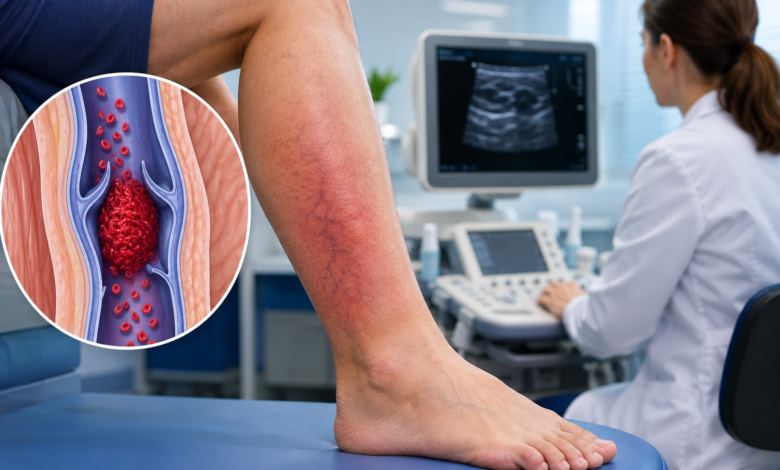
Deep vein thrombosis (DVT) is a serious medical condition that occurs when a blood clot forms in one of the deep veins of the body. Although DVT can develop in different areas, it most commonly affects the legs. Recognizing the early stage DVT symptoms in the leg is important because prompt diagnosis and treatment can reduce the risk of potentially life-threatening complications.
In its early stages, DVT may cause only mild discomfort or no symptoms at all, making it easy to overlook. Some people mistake the pain or swelling for a muscle strain, cramp, or minor injury. However, ignoring these warning signs can allow the clot to grow or travel to the lungs, where it may cause a pulmonary embolism, a medical emergency.
Knowing the early symptoms, understanding the risk factors, and seeking timely medical care can make a significant difference. This guide explains the early signs of DVT in the leg, what causes it, who is most at risk, and when you should seek immediate medical attention.
What Is Deep Vein Thrombosis (DVT)?
Deep vein thrombosis (DVT) is the formation of a blood clot in a deep vein, usually in the lower leg, thigh, or pelvis. Veins carry blood back to the heart, and when a clot blocks one of these veins, normal blood flow is disrupted.
A clot can partially or completely block the vein, leading to pain, swelling, and inflammation. In some cases, part of the clot can break away and travel through the bloodstream to the lungs, causing a pulmonary embolism.
Because of this risk, DVT should always be taken seriously.
Why Early Detection Matters
Recognizing DVT early allows treatment to begin before complications develop.
Early diagnosis can help:
- Prevent the clot from growing larger
- Reduce pain and swelling
- Lower the risk of pulmonary embolism
- Protect the affected vein from long-term damage
- Improve recovery and overall outcomes
Even if symptoms seem mild, they should not be ignored if DVT is suspected.
Early Stage DVT Symptoms in the Leg
Symptoms vary from person to person. Some individuals experience several symptoms, while others may have only one—or none at all.
1. Swelling in One Leg
One of the earliest and most common signs of DVT is swelling in a single leg.
The swelling may:
- Develop gradually or suddenly
- Affect the calf, ankle, foot, or entire leg
- Feel tight or uncomfortable
- Be noticeably different from the other leg
Swelling that affects only one leg is generally more concerning than swelling in both legs.
2. Leg Pain or Tenderness
Pain often begins in the calf and may feel like:
- A cramp
- Muscle soreness
- Tightness
- Aching
- Throbbing
The discomfort may become worse when standing or walking.
Unlike a typical muscle strain, the pain often does not improve with rest alone.
3. Warm Skin
The skin over the affected area may feel warmer than the surrounding skin.
This occurs because the clot causes inflammation and changes in blood flow.
Some people notice warmth even before significant swelling develops.
4. Red or Discolored Skin
The affected leg may appear:
- Red
- Pink
- Bluish
- Slightly darker than the surrounding skin
Color changes usually occur over the area where the clot is located.
5. Visible Surface Veins
Because blood flow through the deep vein is reduced, nearby surface veins may become more noticeable.
These veins may appear:
- Larger
- More prominent
- Darker than usual
Although this symptom is less common, it can occur as the body tries to reroute blood around the blockage.
6. Leg Heaviness
Some people describe the affected leg as feeling unusually heavy.
You may notice:
- Difficulty walking normally
- A sensation of fullness
- Fatigue in the leg
- Reduced comfort during daily activities
This symptom often accompanies swelling.
7. Mild Tenderness When Touching the Leg
The affected area may become sensitive when pressed.
Tenderness often occurs:
- Behind the knee
- Along the calf
- In the thigh
However, not every painful leg is caused by DVT.
8. Muscle Tightness
Many people initially mistake DVT for a pulled muscle because the calf feels tight or stiff.
Unlike exercise-related soreness, the tightness usually persists and may gradually worsen.
Can DVT Occur Without Symptoms?
Yes. Some people have no obvious symptoms during the early stages of DVT.
This is known as silent DVT.
The condition may only be discovered after:
- An ultrasound examination
- Evaluation for leg swelling
- A pulmonary embolism develops
For this reason, individuals with significant risk factors should seek medical advice even if symptoms seem mild.
What Causes DVT?
DVT develops when blood flow slows, the blood becomes more likely to clot, or the lining of a vein becomes damaged.
Common causes include:
Long Periods of Inactivity
Remaining still for several hours can slow blood circulation.
Examples include:
- Long flights
- Long car trips
- Extended bed rest
- Recovery after surgery
Surgery
Major surgery, especially involving the hips, knees, or abdomen, increases the risk of blood clot formation.
Injury
Trauma to a vein may trigger clot formation.
Examples include:
- Broken bones
- Severe bruising
- Muscle injuries
Medical Conditions
Certain medical conditions increase clotting risk, including:
- Some inherited blood-clotting disorders
- Cancer
- Heart failure
- Inflammatory diseases
Pregnancy
Pregnancy increases pressure on pelvic veins and naturally makes the blood more likely to clot.
The increased risk can continue for several weeks after childbirth.
Risk Factors for DVT
Some people have a higher chance of developing deep vein thrombosis.
Common risk factors include:
- Age over 60 years (although DVT can occur at any age)
- A previous history of DVT or pulmonary embolism
- A family history of blood clots
- Smoking
- Obesity
- Prolonged sitting or bed rest
- Major surgery
- Pregnancy and the postpartum period
- Hormone replacement therapy
- Birth control pills containing estrogen
- Certain cancers and cancer treatments
- Chronic medical conditions that affect blood flow
Having one or more risk factors does not mean you will develop DVT, but it does increase the likelihood.
When Should You Seek Immediate Medical Care?
Seek emergency medical attention if leg symptoms are accompanied by signs of a pulmonary embolism, including:
- Sudden shortness of breath
- Chest pain that worsens with deep breathing
- Coughing up blood
- Rapid heartbeat
- Fainting or feeling lightheaded
These symptoms may indicate that a blood clot has traveled to the lungs and require immediate treatment.
If you notice unexplained swelling, pain, warmth, or redness in one leg, contact a healthcare provider promptly for evaluation.
How Is Deep Vein Thrombosis (DVT) Diagnosed?
If your healthcare provider suspects DVT based on your symptoms and medical history, they may recommend one or more tests to confirm the diagnosis.
Early diagnosis is essential because prompt treatment can reduce the risk of serious complications.
Physical Examination
Your healthcare provider will examine the affected leg for:
- Swelling
- Tenderness
- Skin warmth
- Redness or discoloration
- Enlarged surface veins
A physical exam alone cannot confirm DVT, so additional testing is usually required.
Duplex Ultrasound
A duplex ultrasound is the most common and reliable test used to diagnose DVT.
This painless, non-invasive imaging test uses sound waves to:
- Show blood flow through the veins
- Detect blood clots
- Identify blocked or narrowed veins
In most cases, ultrasound is the first test performed when DVT is suspected.
D-Dimer Blood Test
A D-dimer test measures a substance released when blood clots break down.
A normal result can help rule out DVT in people with a low likelihood of having the condition. However, an elevated D-dimer level does not confirm DVT because it can also increase with infection, pregnancy, surgery, and other medical conditions.
Venography
Venography is used less often today but may be recommended in certain situations.
During this procedure, a contrast dye is injected into a vein before X-rays are taken. The dye helps highlight areas where blood flow is blocked.
CT or MRI Scan
If the clot is suspected in the pelvis or abdomen, your healthcare provider may recommend a CT scan or MRI to obtain more detailed images of the blood vessels.
Treatment Options for DVT
The main goals of treatment are to:
- Stop the clot from growing
- Prevent new clots from forming
- Reduce the risk of pulmonary embolism
- Protect the affected vein from long-term damage
The appropriate treatment depends on the size and location of the clot, your overall health, and your risk of bleeding.
Blood-Thinning Medications (Anticoagulants)
Anticoagulants are the most common treatment for DVT.
These medications do not dissolve existing clots, but they help prevent the clot from getting larger while allowing the body to gradually break it down.
It is important to take these medications exactly as prescribed and attend all recommended follow-up appointments.
Clot-Dissolving Medicines
In severe cases, especially when a large clot threatens circulation or limb function, clot-dissolving medications may be considered.
Because these medicines increase the risk of bleeding, they are typically reserved for selected patients and are given under close medical supervision.
Compression Stockings
Compression stockings apply gentle pressure to the legs, helping improve blood flow and reduce swelling.
Your healthcare provider may recommend wearing them during recovery to lower the risk of long-term complications, such as post-thrombotic syndrome.
Lifestyle Changes
Along with medical treatment, healthy habits can support recovery and reduce the risk of future blood clots.
These include:
- Staying physically active
- Maintaining a healthy weight
- Quitting smoking
- Drinking enough water
- Following your healthcare provider’s recommendations
Possible Complications of DVT
Without treatment, DVT can lead to serious complications.
Pulmonary Embolism (PE)
The most serious complication occurs when part of the clot breaks loose and travels to the lungs.
Symptoms of a pulmonary embolism may include:
- Sudden shortness of breath
- Sharp chest pain
- Rapid heartbeat
- Coughing up blood
- Feeling faint or dizzy
A pulmonary embolism is a medical emergency that requires immediate treatment.
Post-Thrombotic Syndrome
Some people develop long-term vein damage after DVT, known as post-thrombotic syndrome.
Symptoms may include:
- Persistent leg swelling
- Chronic pain
- Skin discoloration
- Leg heaviness
- Skin ulcers in severe cases
Early treatment of DVT may reduce the risk of developing this condition.
Can DVT Be Prevented?
Although not every case can be prevented, several lifestyle measures can reduce the risk.
Stay Active
Regular movement helps keep blood flowing through the veins.
Avoid sitting or standing still for long periods whenever possible.
Move During Long Trips
If you are traveling by plane or car for several hours:
- Walk around when possible.
- Stretch your legs regularly.
- Flex and extend your ankles while seated.
Stay Hydrated
Drinking enough water supports healthy circulation and may reduce the risk of dehydration-related blood thickening.
Maintain a Healthy Weight
Achieving and maintaining a healthy weight helps reduce pressure on the veins and lowers the risk of blood clots.
Avoid Smoking
Smoking damages blood vessels and increases the likelihood of clot formation.
Quitting smoking provides benefits for both vein health and overall cardiovascular health.
Follow Medical Advice After Surgery
After surgery or hospitalization, follow your healthcare provider’s instructions regarding:
- Early movement
- Compression stockings
- Blood-thinning medications, if prescribed
These measures are important for preventing post-operative blood clots.
When Should You See a Doctor?
Contact a healthcare provider promptly if you experience:
- Swelling in one leg
- Persistent calf or thigh pain
- Red or discolored skin
- Warmth in one area of the leg
- Unexplained tenderness
- New symptoms after surgery or prolonged immobility
Seek emergency medical care immediately if you develop:
- Sudden shortness of breath
- Chest pain
- Rapid heartbeat
- Coughing up blood
- Fainting or severe dizziness
These symptoms could indicate a pulmonary embolism and require urgent treatment.
Frequently Asked Questions (FAQs)
What are the first signs of DVT in the leg?
Early signs often include swelling in one leg, calf pain, tenderness, warmth, redness, or a feeling of heaviness. Some people may have no symptoms at all.
Can DVT go away on its own?
A blood clot should always be evaluated by a healthcare provider. Without treatment, DVT can lead to serious complications, including pulmonary embolism.
How quickly do DVT symptoms appear?
Symptoms may develop suddenly or gradually over several hours or days. The severity varies from person to person.
Can walking make DVT worse?
In many cases, gentle walking is encouraged after treatment begins because it promotes healthy blood flow. However, follow your healthcare provider’s recommendations based on your individual condition.
Is DVT always painful?
No. Some people experience little or no pain, while others have significant discomfort. Silent DVT is also possible.
Who is most at risk for DVT?
People with prolonged immobility, recent surgery, pregnancy, obesity, smoking, certain medical conditions, or a personal or family history of blood clots have a higher risk.
Conclusion
Recognizing the early stage DVT symptoms in the leg can help prevent serious complications. Warning signs such as swelling in one leg, calf pain, warmth, redness, and tenderness should never be ignored, especially if you have known risk factors like recent surgery, prolonged immobility, or a history of blood clots.
Early medical evaluation allows healthcare providers to diagnose DVT using imaging and blood tests and begin appropriate treatment. Blood-thinning medications, compression therapy, and healthy lifestyle changes can reduce the risk of complications and support recovery.
If you experience symptoms that suggest DVT or develop emergency signs such as sudden shortness of breath, chest pain, or coughing up blood, seek immediate medical attention. Prompt care can be lifesaving and may prevent long-term damage to your veins.