Gedney Foods Company Pickle Recall
Gedney Foods Company Pickle Recall: FDA Issues Class II Safety Warning

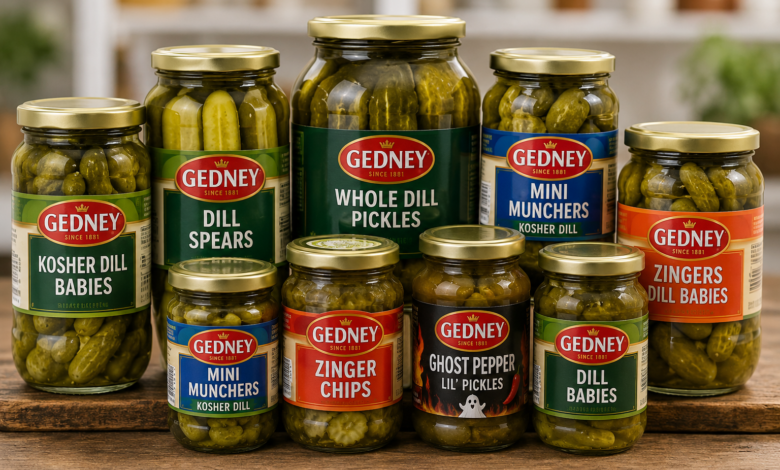
Gedney Foods Company Pickle Recall: FDA Issues Warning Over Damaged Containers
Food safety remains a top priority for consumers and regulatory agencies alike. In a recent development, Gedney Foods Company announced a recall involving several pickle products after concerns were raised about damaged containers that may affect product safety. The U.S. Food and Drug Administration (FDA) later classified the recall as a Class II recall, indicating a potential health risk that consumers should not ignore.
Understanding the Gedney Pickle Recall
Gedney Foods Company, a long-established pickle manufacturer known for its wide range of pickle products, initiated the recall after discovering that certain pickle jars that had been designated for disposal were accidentally sold to consumers. According to reports, these products had product and container damage that could compromise their quality and safety.
The recall was initially launched on June 9, 2025, and the FDA later classified it as a Class II recall on July 24, 2025. A Class II recall means that using or consuming the affected products may cause temporary or medically reversible health consequences, although the likelihood of serious health issues is considered low.
Why Damaged Containers Are a Concern
Food products packaged in damaged containers may become unsafe over time. When a jar is cracked, dented, improperly sealed, or otherwise compromised, bacteria and other contaminants may enter the product. This can affect freshness, quality, and safety.
With pickled foods, the integrity of the seal is especially important because the preservation process relies on a carefully controlled environment. If the seal is broken or weakened, harmful microorganisms could potentially grow inside the jar. Consumers may not always notice visible signs of contamination, making recalls an important preventive measure.
Products Included in the Recall
The recall affects multiple Gedney-branded pickle products distributed in Minnesota. Some of the recalled items include:
- Gedney Whole Dill Pickles
- Gedney Mini Munchers Kosher Dill
- Gedney Kosher Dill Babies
- Gedney Dill Mini Munchers
- Gedney Dill Babies
- Gedney Dill Spears
- Gedney Zinger Chips
- Gedney Zingers Dill Babies
- Gedney Ghost Pepper LIL Pickles
The products were sold in various jar sizes ranging from 16-ounce containers to 32-ounce containers. Consumers are encouraged to check the product labels, UPC codes, and lot numbers against official recall notices if they believe they may have purchased one of the affected items.
Where Were the Recalled Pickles Sold?
According to recall information, the affected products were distributed primarily within Minnesota. The recalled pickles were manufactured in Mexico and distributed by Gedney Foods Company. More than 42,000 jars were reportedly involved in the recall, making it a significant food safety action.
Consumers outside Minnesota are less likely to have purchased the recalled products, but anyone who recently bought Gedney pickles should still verify product details as a precaution.
FDA Classification Explained
The FDA uses three primary recall classifications:
Class I Recall
A situation where exposure to the product may cause serious health problems or death.
Class II Recall
A situation where exposure may cause temporary or medically reversible health effects, and the risk of severe consequences is relatively low.
Class III Recall
A situation where the product is unlikely to cause health issues but violates FDA regulations.
The Gedney pickle recall falls under the Class II category, reflecting the potential risks associated with compromised packaging.
What Consumers Should Do
If you have purchased any of the recalled Gedney pickle products, food safety experts recommend taking the following steps:
1. Stop Consuming the Product
Do not eat any recalled pickle product, even if it appears normal.
2. Check Product Information
Compare the UPC code and lot number on the jar with official recall information.
3. Return or Dispose of the Product
Consumers can return affected products to the retailer where they were purchased for a refund or dispose of them safely according to local guidelines.
4. Monitor for Symptoms
Although no widespread illnesses have been reported, anyone experiencing symptoms after consuming a recalled product should seek medical advice.
Impact on Consumer Confidence
Food recalls often affect consumer trust, even when companies act quickly to address the issue. Gedney Foods has built a reputation in the pickle industry over many decades, and the company’s decision to initiate the recall demonstrates the importance of responding promptly when potential safety concerns arise.
Recalls can be costly for manufacturers, retailers, and distributors, but they play a vital role in protecting public health and maintaining confidence in the food supply chain.
The Importance of Food Recall Awareness
Food recalls occur regularly across the United States for various reasons, including contamination risks, packaging defects, labeling errors, and undeclared allergens. Staying informed about recalls helps consumers make safer purchasing decisions and avoid potentially hazardous products.
The FDA continually monitors food safety issues and works with manufacturers to remove affected products from the market when necessary. Consumers can also sign up for recall notifications to receive updates about food safety alerts.
Final Thoughts
The Gedney Foods Company pickle recall serves as an important reminder of the role packaging integrity plays in food safety. While the FDA has classified the recall as a Class II event with a relatively low risk of severe health consequences, consumers should still take the warning seriously and avoid consuming any affected products.
Anyone who purchased Gedney pickles in Minnesota during the affected period should carefully review product information and follow recall instructions. Prompt action helps reduce potential health risks and supports ongoing food safety efforts throughout the industry.
As food manufacturers and regulators continue working together to maintain high safety standards, consumer awareness remains one of the most effective tools for preventing food-related health concerns.