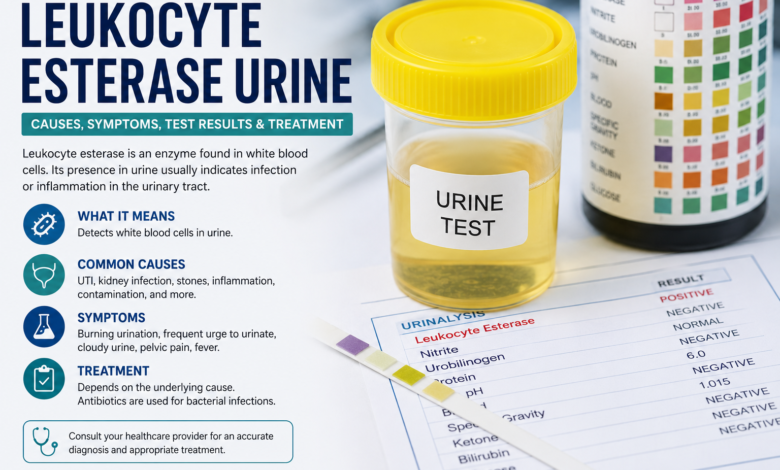
A urine test is one of the most common laboratory tests used to evaluate overall health and detect infections, kidney disorders, and other medical conditions. During a routine urinalysis, healthcare providers examine several components of urine, including its appearance, chemical composition, and microscopic contents. One important marker often reported is leukocyte esterase.
If you’ve searched for “leukocyte esterase urine,” you’re likely trying to understand what this test measures, what positive or negative results mean, and whether it indicates a medical problem. Leukocyte esterase is an enzyme produced by white blood cells (leukocytes). Its presence in urine often suggests inflammation or infection somewhere in the urinary tract.
Although a positive leukocyte esterase result commonly points to a urinary tract infection (UTI), it does not confirm a diagnosis by itself. Healthcare providers consider the result alongside symptoms, medical history, physical examination, and sometimes additional laboratory tests.
This guide explains what leukocyte esterase in urine means, common causes, symptoms, diagnosis, and when to seek medical attention.
What Is Leukocyte Esterase?
Leukocyte esterase is an enzyme released by white blood cells.
White blood cells are an important part of the immune system and help the body fight infections caused by bacteria, viruses, and other harmful organisms.
When white blood cells enter the urinary tract because of inflammation or infection, leukocyte esterase may appear in the urine.
What Is the Leukocyte Esterase Urine Test?
The leukocyte esterase urine test is usually performed as part of a urinalysis.
A chemically treated dipstick is placed into the urine sample.
If leukocyte esterase is present, the test strip changes color.
Laboratories may report results as:
- Negative
- Trace
- Small
- Moderate
- Large (or Positive)
The interpretation depends on laboratory standards and the patient’s clinical situation.
What Does a Negative Result Mean?
A negative leukocyte esterase result generally means there are very few or no white blood cells in the urine.
This usually indicates that there is no significant urinary tract inflammation or infection.
However, a negative result does not completely rule out every urinary condition.
What Does a Positive Result Mean?
A positive leukocyte esterase result suggests that white blood cells are present in the urine.
This often indicates:
- Urinary tract infection (UTI)
- Kidney infection
- Bladder inflammation
- Urinary tract inflammation
Additional testing may be needed to determine the exact cause.
Common Causes of Positive Leukocyte Esterase in Urine
Several conditions may cause leukocyte esterase to appear in urine.
Urinary Tract Infection (UTI)
UTIs are the most common cause.
Symptoms may include:
- Burning during urination
- Frequent urination
- Urgent need to urinate
- Cloudy urine
- Strong-smelling urine
- Lower abdominal discomfort
Kidney Infection
A kidney infection is a more serious type of urinary tract infection.
Symptoms may include:
- Fever
- Chills
- Back or side pain
- Nausea
- Vomiting
Prompt medical treatment is important.
Bladder Inflammation
Inflammation of the bladder may occur because of infection or other conditions.
This can produce:
- Pelvic discomfort
- Painful urination
- Increased urinary frequency
Kidney Stones
Kidney stones can irritate the urinary tract and sometimes cause white blood cells to appear in urine.
Symptoms may include:
- Severe flank pain
- Blood in urine
- Nausea
- Difficulty urinating
Sexually Transmitted Infections (STIs)
Some sexually transmitted infections may cause inflammation involving the urinary tract, resulting in a positive leukocyte esterase test.
Contaminated Urine Sample
Improper collection of a urine sample may introduce white blood cells from surrounding skin or genital tissues.
Healthcare providers may recommend repeating the test if contamination is suspected.
Symptoms Associated with Positive Leukocyte Esterase
Symptoms depend on the underlying condition.
Common symptoms include:
- Burning while urinating
- Frequent urination
- Urgent need to urinate
- Cloudy urine
- Blood in urine
- Strong urine odor
- Pelvic pain
- Lower abdominal discomfort
- Fever
- Chills
Some individuals, particularly older adults, may have few or no symptoms despite abnormal urine test results.
Risk Factors
Several factors increase the likelihood of urinary tract infections and abnormal leukocyte esterase results.
These include:
- Female anatomy
- Pregnancy
- Diabetes
- Kidney stones
- Urinary catheter use
- Enlarged prostate
- Weakened immune system
- Poor hydration
- Previous urinary tract infections
Understanding these risk factors can help guide prevention strategies.
How Is Leukocyte Esterase Evaluated?
Healthcare providers usually interpret the test alongside other urinalysis findings.
Additional urine test components may include:
- Nitrites
- Red blood cells
- Protein
- Glucose
- Bacteria
- White blood cells (microscopic examination)
A urine culture may also be ordered to identify the specific bacteria causing an infection.
How Is a Urine Sample Collected?
Proper collection is important for accurate results.
A clean-catch urine sample usually involves:
- Washing the genital area.
- Beginning to urinate into the toilet.
- Collecting the middle portion of urine in a sterile container.
- Closing the container without touching the inside.
Following these steps reduces contamination.
When Should You See a Doctor?
Medical evaluation is recommended if you experience:
- Painful urination
- Frequent urination
- Blood in urine
- Fever with urinary symptoms
- Persistent pelvic pain
- Back pain with urinary symptoms
- Recurrent urinary tract infections
Early diagnosis helps prevent complications such as kidney infections.
Conclusion
A leukocyte esterase urine test is a valuable part of routine urinalysis and can help detect inflammation or infection within the urinary tract. While a positive result often suggests a urinary tract infection, it does not provide a diagnosis on its own. Healthcare providers evaluate the result alongside symptoms, physical examination, and additional laboratory tests to determine the underlying cause.
Recognizing symptoms early and seeking timely medical care can help prevent complications and ensure appropriate treatment.
Treatment for Positive Leukocyte Esterase in Urine
A positive leukocyte esterase urine result is not a disease itself but a sign that white blood cells are present in the urine. Treatment depends on the underlying cause identified by your healthcare provider.
For many people, treating the condition causing the inflammation or infection will return urine test results to normal.
Treatment for Urinary Tract Infections (UTIs)
Urinary tract infections are the most common reason for a positive leukocyte esterase result.
Treatment may include:
- Prescription antibiotics (when a bacterial infection is confirmed or strongly suspected)
- Drinking plenty of water
- Rest
- Following the full course of prescribed medication
It is important not to stop antibiotics early, even if symptoms improve, unless advised by your healthcare provider.
Treatment for Kidney Infections
Kidney infections require prompt medical attention because they can become serious if left untreated.
Treatment may involve:
- Oral or intravenous antibiotics
- Increased fluid intake
- Pain management
- Hospital care in severe cases
Early treatment helps reduce the risk of permanent kidney damage.
Managing Kidney Stones
If kidney stones are causing urinary irritation, treatment depends on the size and location of the stone.
Management may include:
- Drinking more fluids
- Pain-relieving medications
- Medications that help pass the stone
- Medical procedures for larger stones
Your healthcare provider will recommend the most appropriate treatment based on your condition.
Home Care Tips
While medical treatment is important, healthy habits may support recovery.
Helpful measures include:
- Drink enough water throughout the day.
- Urinate when needed rather than holding urine.
- Practice good personal hygiene.
- Wear breathable cotton underwear.
- Follow your healthcare provider’s treatment plan.
- Attend follow-up appointments if recommended.
These measures may help reduce irritation and support urinary tract health.
Can Leukocyte Esterase Be Present Without an Infection?
Yes. Although urinary tract infections are the most common cause, leukocyte esterase may also appear in urine because of:
- Kidney stones
- Interstitial cystitis
- Inflammatory conditions
- Certain kidney disorders
- Sample contamination
- Some sexually transmitted infections
For this reason, healthcare providers interpret the result together with symptoms and additional laboratory findings.
Possible Complications
Ignoring urinary symptoms or delaying treatment may lead to complications such as:
- Recurrent urinary tract infections
- Kidney infection
- Kidney damage (in severe cases)
- Bloodstream infection (rare but serious)
- Chronic urinary discomfort
Seeking medical care early greatly reduces the risk of these complications.
Preventing Urinary Tract Infections
Although not every infection can be prevented, several healthy habits may lower your risk.
Stay Hydrated
Drinking enough water helps flush bacteria from the urinary tract.
Practice Good Hygiene
Proper hygiene can reduce the introduction of bacteria into the urinary tract.
Empty Your Bladder Regularly
Avoid holding urine for long periods, as this may encourage bacterial growth.
Urinate After Sexual Activity
For some individuals, urinating after sexual activity may help reduce the risk of urinary tract infections.
Manage Chronic Conditions
Keeping diabetes and other chronic health conditions under control supports urinary tract health.
When Should You Seek Immediate Medical Care?
Contact a healthcare provider promptly if you develop:
- Fever with urinary symptoms
- Severe back or side pain
- Blood in the urine
- Persistent vomiting
- Difficulty passing urine
- Confusion (especially in older adults)
These symptoms may indicate a more serious infection requiring urgent evaluation.
Frequently Asked Questions
What does leukocyte esterase in urine mean?
It means white blood cells are present in the urine, often suggesting inflammation or infection in the urinary tract.
Does a positive leukocyte esterase test always mean a UTI?
No. While urinary tract infections are the most common cause, kidney stones, inflammation, contamination, and other conditions can also produce a positive result.
Can dehydration cause leukocyte esterase in urine?
Dehydration alone usually does not cause leukocyte esterase to appear in urine, but it may increase the risk of urinary tract infections in some individuals.
Is a urine culture necessary?
A urine culture may be recommended to identify the specific bacteria causing an infection and determine which antibiotics are most effective.
Can leukocyte esterase disappear after treatment?
Yes. Once the underlying condition has been successfully treated, leukocyte esterase levels often return to normal.
Conclusion
The leukocyte esterase urine test is an important part of routine urinalysis and provides valuable information about possible inflammation or infection within the urinary tract. Although a positive result commonly points to a urinary tract infection, it should always be interpreted alongside symptoms, medical history, and other laboratory findings.
Early diagnosis, appropriate treatment, and healthy lifestyle habits can help prevent complications and support urinary tract health. If you experience painful urination, frequent urination, fever, or blood in the urine, consult a qualified healthcare professional for proper evaluation and treatment.